CLOSED CELL SPRAY FOAM INSULATION
Looking for insulation that delivers serious performance? Closed cell spray foam is one of the most effective and durable solutions on the market. Perfect for both residential and commercial projects, it provides high R-values, air sealing, moisture resistance, and even adds structural strength—all in one application.
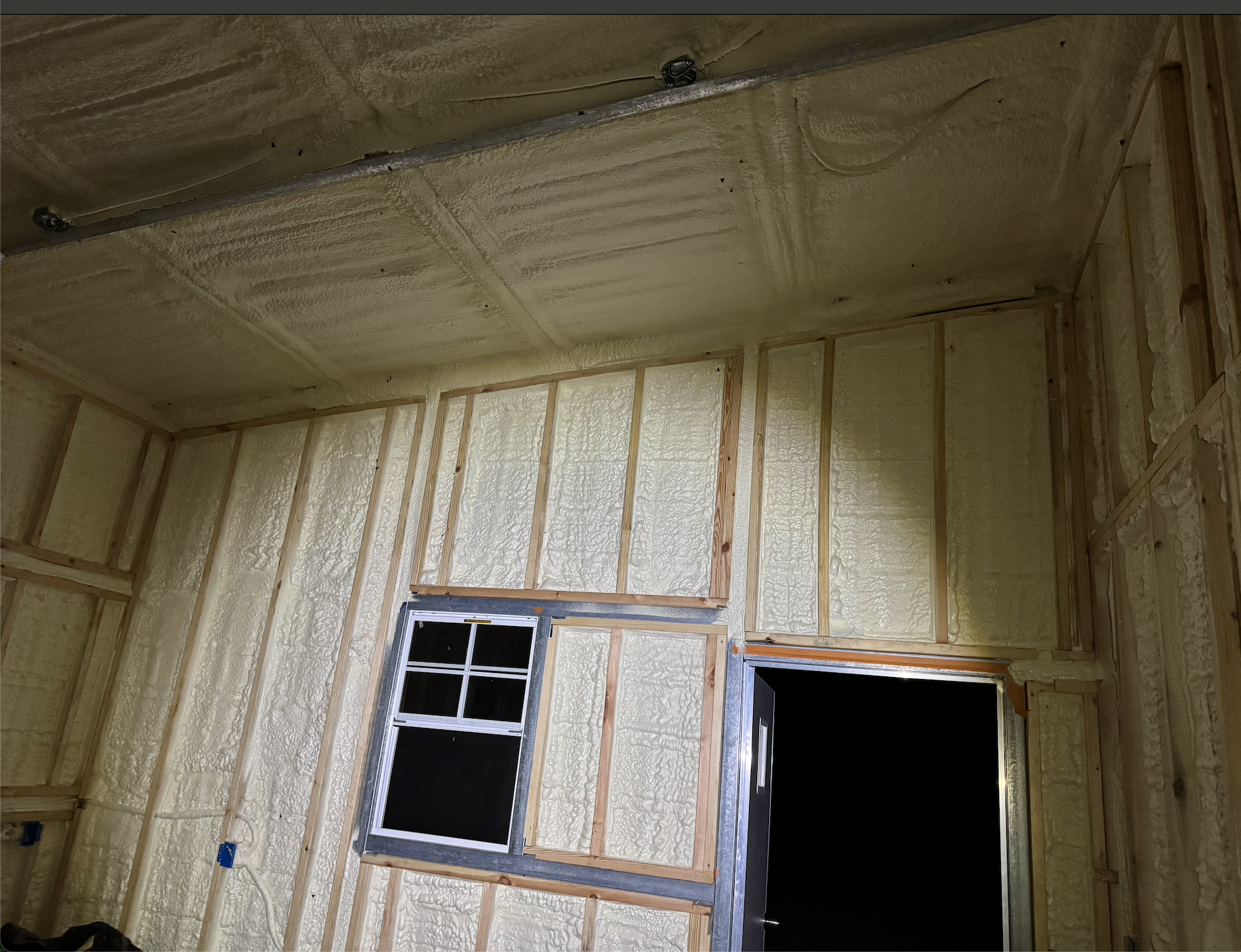
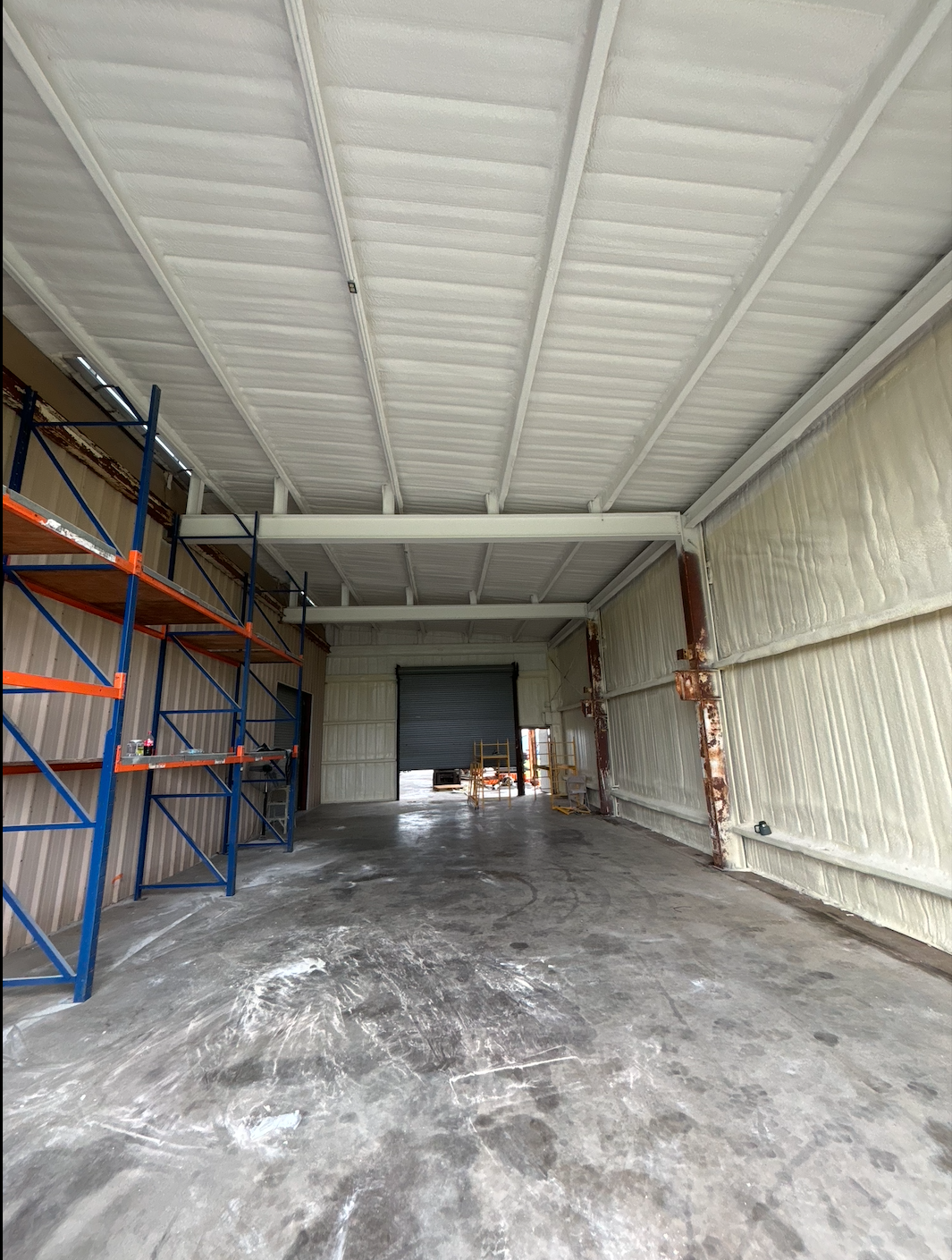
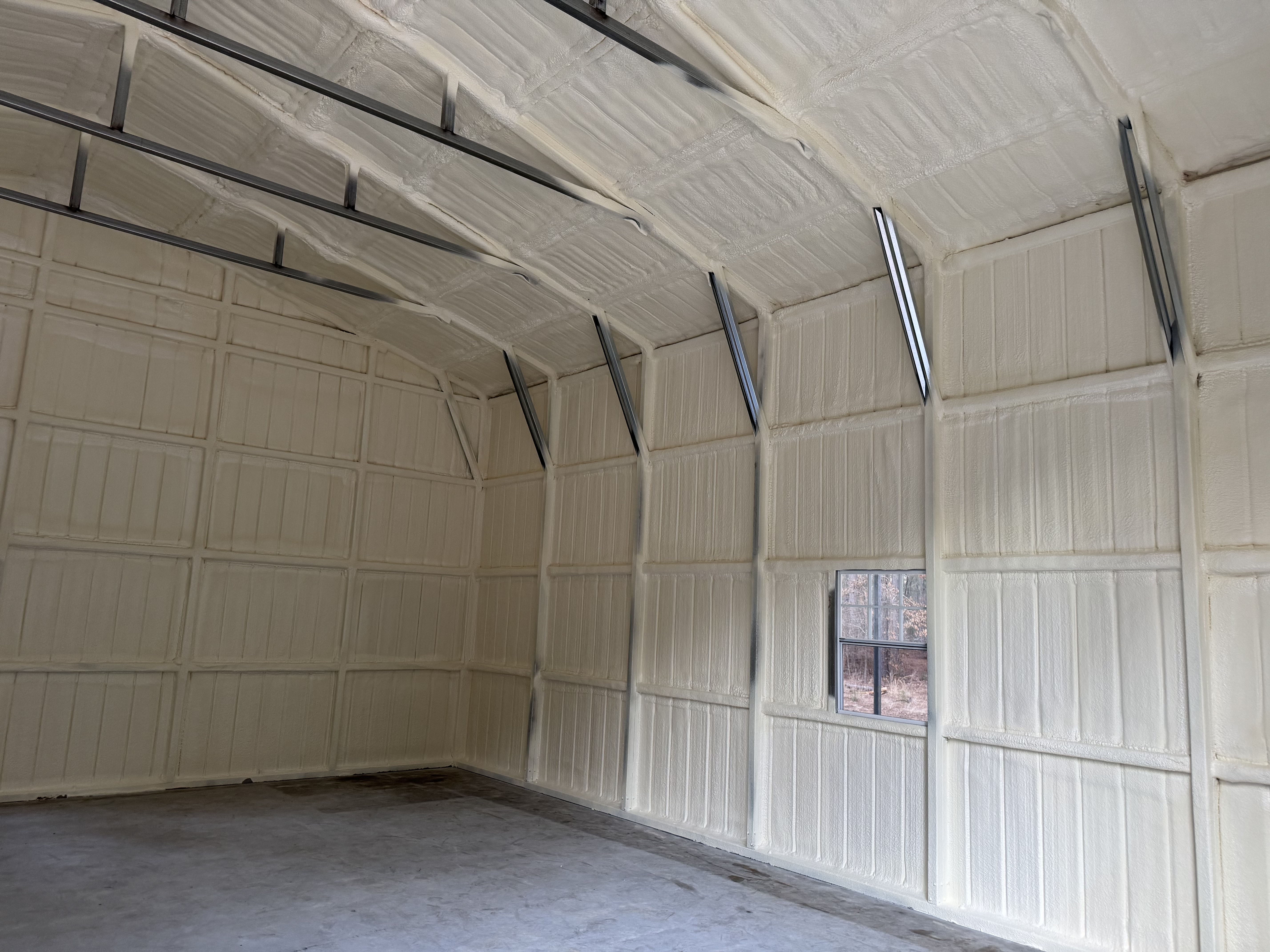
Why Choose Closed Cell Insulation?
Closed cell foam is more than just insulation—it’s a multi-purpose upgrade for your entire building envelope. Here’s why property owners and contractors choose it:
- Superior Energy Efficiency
With an R-value of approximately 6.5–7.2 per inch, closed cell foam significantly reduces heating and cooling costs. - Moisture & Vapor Barrier
Its dense structure blocks water and moisture, helping prevent mold, mildew, and long-term water damage. - Added Structural Strength
Once cured, closed cell foam enhances the integrity of walls, roofs, and other surfaces—ideal for buildings in high-wind or load-bearing areas. - Air Sealing Performance
It expands into cracks and voids, providing a tight air seal that keeps drafts out and improves indoor air quality. - Long-Lasting Durability
Closed cell foam doesn’t sag or settle over time, giving you decades of reliable insulation performance.
How It Works
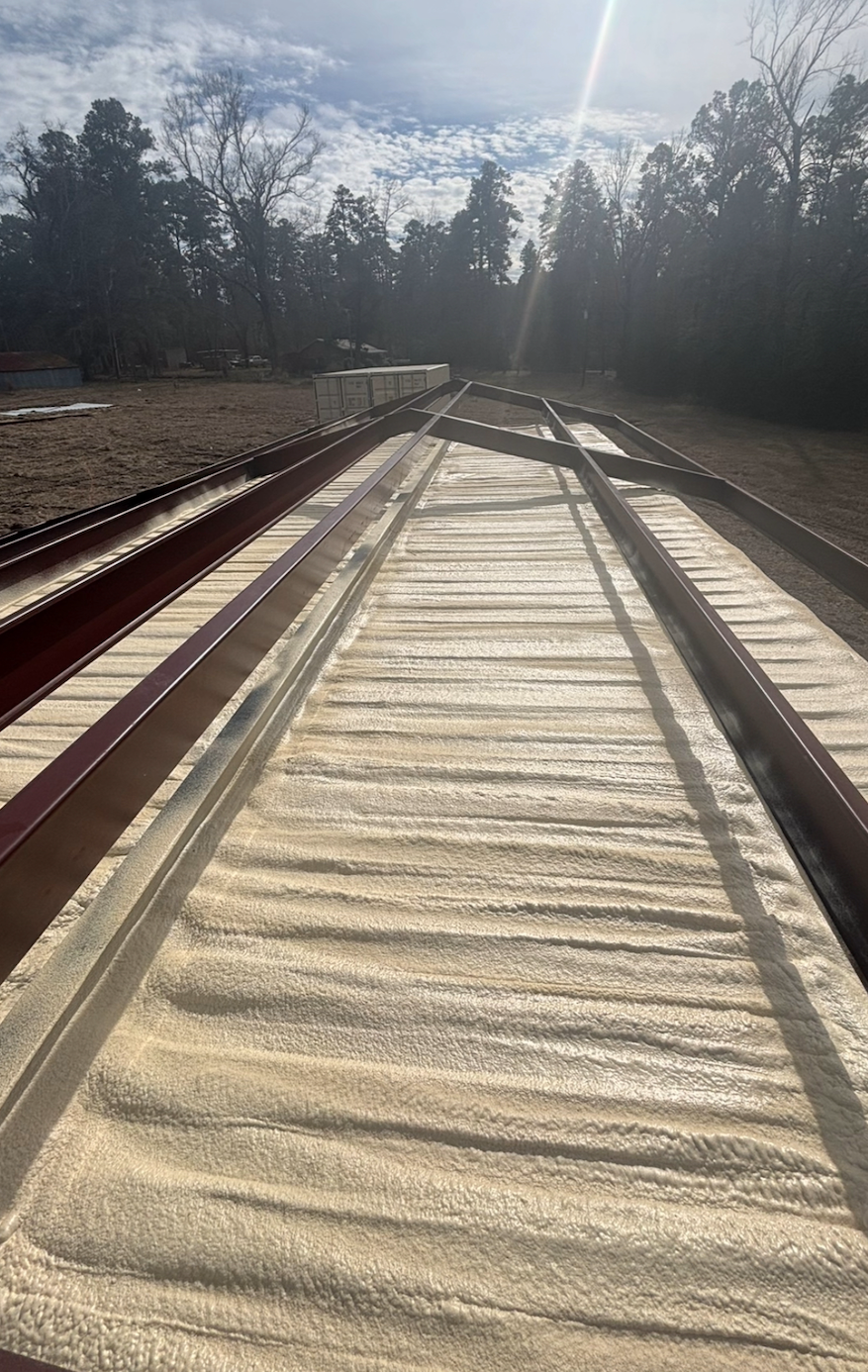
Closed cell spray foam is applied as a liquid that expands and hardens into a rigid, high-density foam. It fills even the smallest gaps, then cures into a solid structure. Because of its dense makeup, it resists water, vapor, and air penetration far better than traditional insulation.
Where to Use Closed Cell Insulation
- Exterior walls and attics
- Metal buildings and pole barns
- Crawl spaces and basements
- Cold storage and refrigerated spaces
- Garages, sheds, and workshops
- Commercial or industrial facilities
Cost Considerations
While closed cell spray foam is more expensive upfront than traditional insulation or open cell foam, it often pays for itself over time through energy savings and extended lifespan. It also reduces the need for additional air or vapor barriers, simplifying construction and reducing labor costs.
Pro Tip: Closed cell foam is especially cost-effective when applied in areas prone to moisture, or where added strength and insulation value are critical.
Is Closed Cell Foam Right for You?
Closed cell spray foam is best suited for:
- Properties in extreme climates (hot or cold)
- Areas needing moisture or vapor protection
- Structures requiring added strength or rigidity
- Owners looking for long-term ROI on energy bill
FAQs
Q: Is closed cell foam safe indoors?
Yes—once fully cured, it’s inert, safe, and compliant with building codes.
Q: Can it be used in open or exposed areas?
Yes, but exposed foam in living areas often requires a thermal barrier coating (like drywall or fire-retardant paint) to meet fire safety codes.
Q: How thick should it be applied?
Typically 2 inches in walls and 3 inches in roofs or attics, but it depends on the space and local building codes.
Q: What should I do to prepare for installation?
Before installation day, we recommend clearing the work area of personal items, furniture, or stored goods. If we’re working in an attic, crawl space, or garage, access points should be clear. We’ll handle masking and protecting surfaces as needed, but it’s helpful if you secure pets and ensure someone can provide access.
Q: How long does installation take?
Most jobs can be completed in a single day, depending on the size of the area. Large or complex spaces may take a bit longer. We’ll give you a time estimate during your consultation.
Q: Do I need to leave the house during installation?
In most cases, yes—especially for interior jobs. We recommend vacating the area for at least 24 hours to allow for proper curing and ventilation. This ensures the foam sets safely and any lingering odors dissipate.
Q: Is there a smell during or after installation?
There may be a noticeable odor during application and shortly after, but it typically dissipates within 24 hours as the foam cures. We use proper ventilation systems to help speed this process up.
Q: Does closed cell insulation require maintenance?
No regular maintenance is needed once installed. It doesn’t settle, sag, or degrade over time. However, we recommend periodic inspections—especially after storms or renovations—to ensure the insulation remains intact and uncompromised.
Q: Can it be applied over existing insulation?
IWe often recommend removing old or damaged material for the best results. Our team will evaluate your current setup during your estimate.
Q: Can it help with soundproofing?
Closed cell foam offers some sound dampening, but open cell is typically better for acoustic control. That said, closed cell still reduces noise by sealing air leaks and stiffening surfaces.
Q: Will it attract pests or rodents?
No—closed cell foam isn’t a food source and doesn’t attract pests. In fact, by sealing off entry points, it can help deter rodents and insects from getting into your home.
Q: What happens if it gets damaged?
Closed cell foam is very durable, but if it’s ever damaged (e.g. from a renovation or roof leak), small sections can be cut out and repaired without replacing the entire area.
Q: Is closed cell foam environmentally friendly?
Many spray foams now use eco-friendly blowing agents with low global warming potential (GWP). Closed cell foam is also highly energy-efficient, which helps reduce your carbon footprint long-term.
Services
Hours
Monday – Friday: 9 AM – 5 PM
Saturday: Appointment Only
Sunday: Closed
© 2025 C&C Insulation LLC. All rights reserved.
 insulationcc.com