LOOSE FILL INSULATION REMOVAL
Before upgrading to new insulation or dealing with issues like pests, water damage, or inefficiency, removing old loose fill insulation is a crucial first step. Our professional removal service ensures your attic, crawl space, or wall cavities are completely cleared and ready for new materials. Whether you’re remodeling or improving your home’s energy efficiency, we make the process clean, safe, and hassle-free.

Why Remove Loose Fill Insulation?
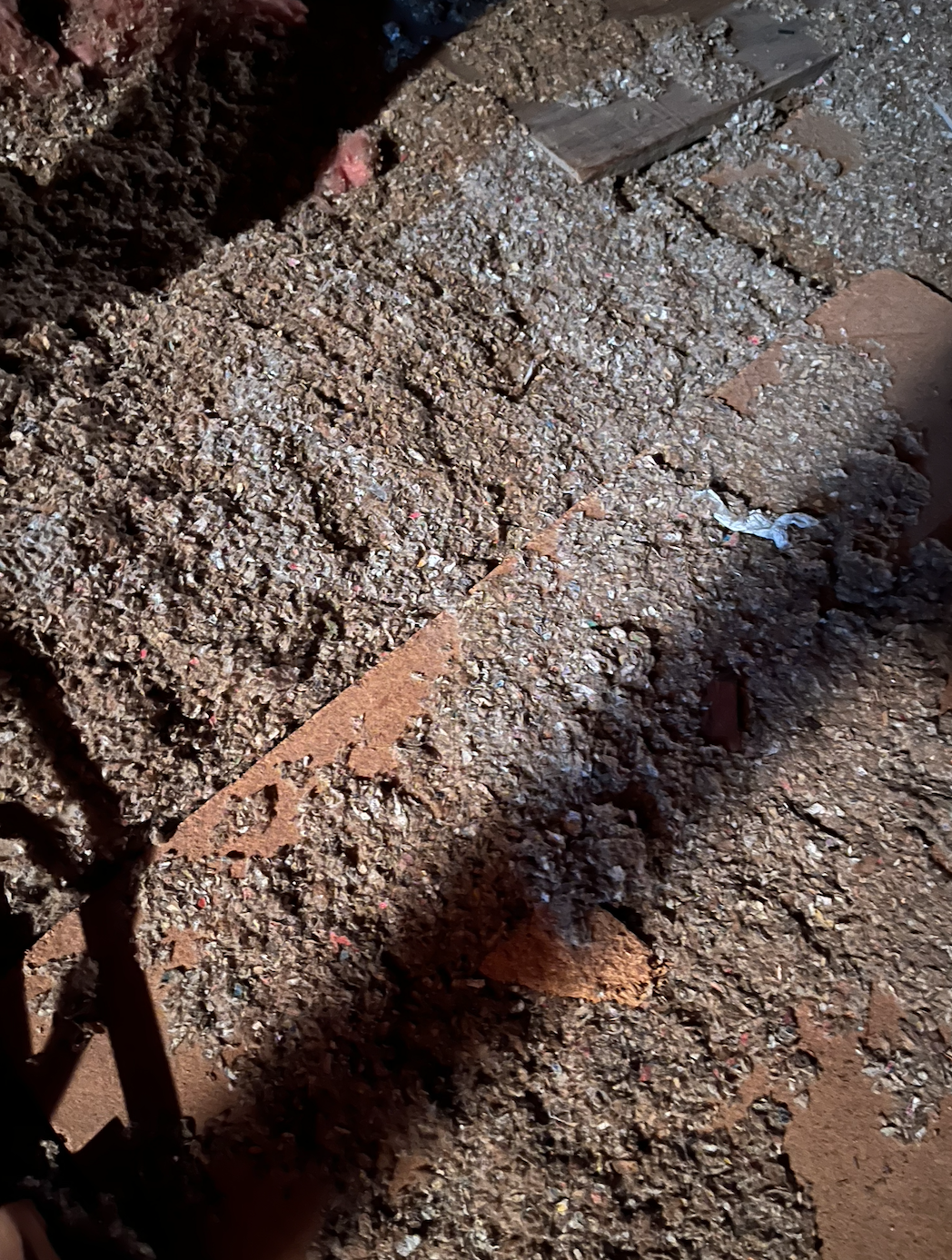
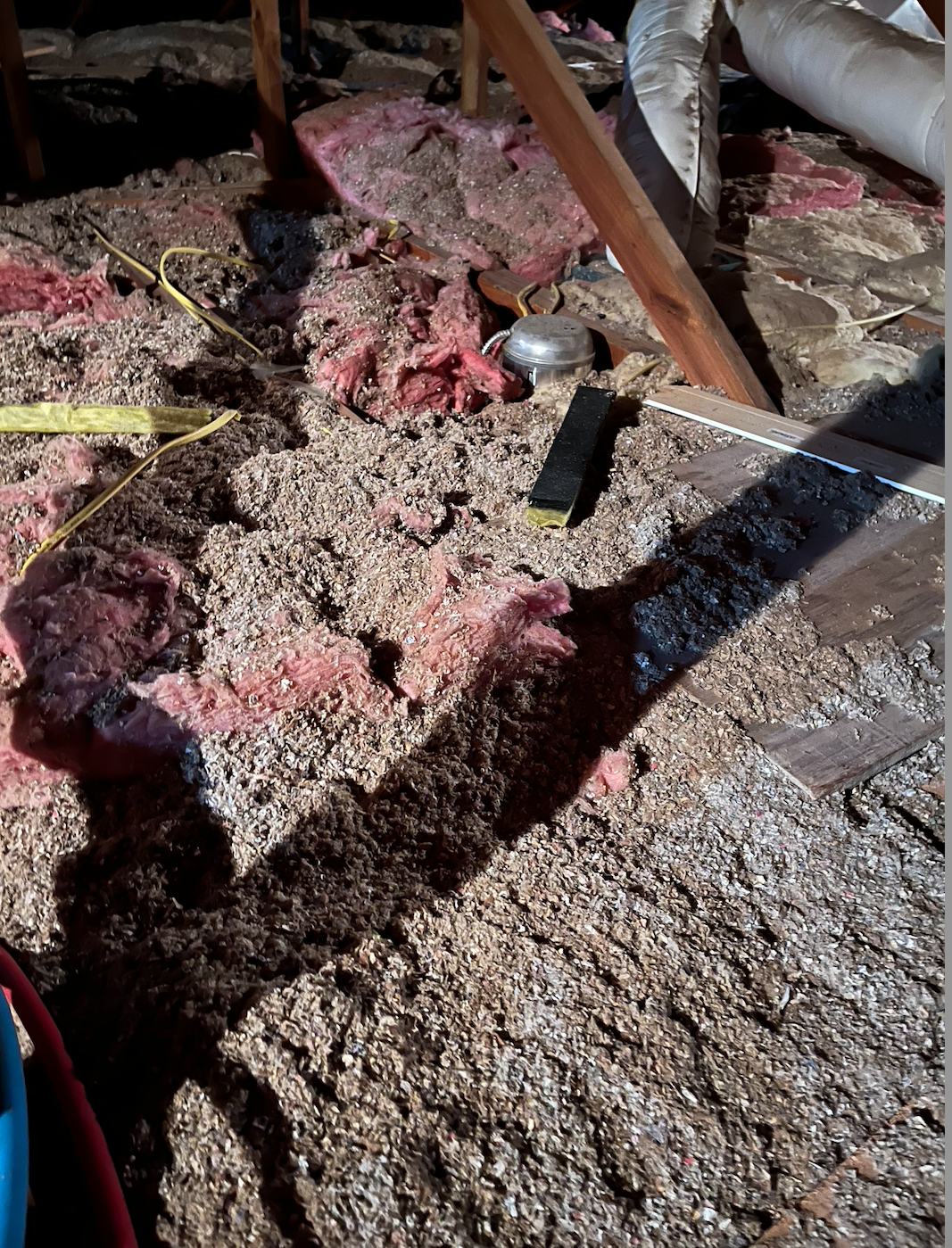
Loose fill insulation—like cellulose or fiberglass—can degrade over time or become a source of problems. Here’s why removal is often necessary:
- Contamination from Pests or Mold
Rodents, insects, and moisture can turn old insulation into a health hazard. - Water Damage
Even small roof leaks can saturate insulation, reducing its R-value and encouraging mold growth. - Settling & Compaction
Over time, loose fill insulation compresses and becomes less effective, especially in older homes. - Preparing for New Insulation
To get the best performance from spray foam or batt insulation, a clean substrate is essential. - Fire & Air Quality Risks
Old cellulose insulation can pose fire risks if not treated properly, and may contain dust or debris that affects indoor air quality.
Our Process: Clean, Safe, and Thorough
We use commercial-grade vacuums and specialized removal systems to safely extract old insulation without spreading dust or contaminants throughout your home. Here’s what you can expect:
- Inspection & Assessment
We evaluate the condition of your current insulation and identify any concerns (moisture, pests, etc.). - Prep & Protection
We seal off surrounding areas and use filtered vacuums to protect your home from dust and debris. - Efficient Removal
Our team completely removes all loose fill insulation, even from tight or hard-to-reach areas. - Ready for Upgrade
Once removed, your space is clean and ready for fresh insulation, repairs, or air sealing.
Where We Remove Loose Fill Insulation
- Attics (most common)
- Crawl spaces
- Wall cavities (during remodels or renovations)
- Between floors in multi-story homes
- Garages, additions, and outbuildings
Cost Considerations
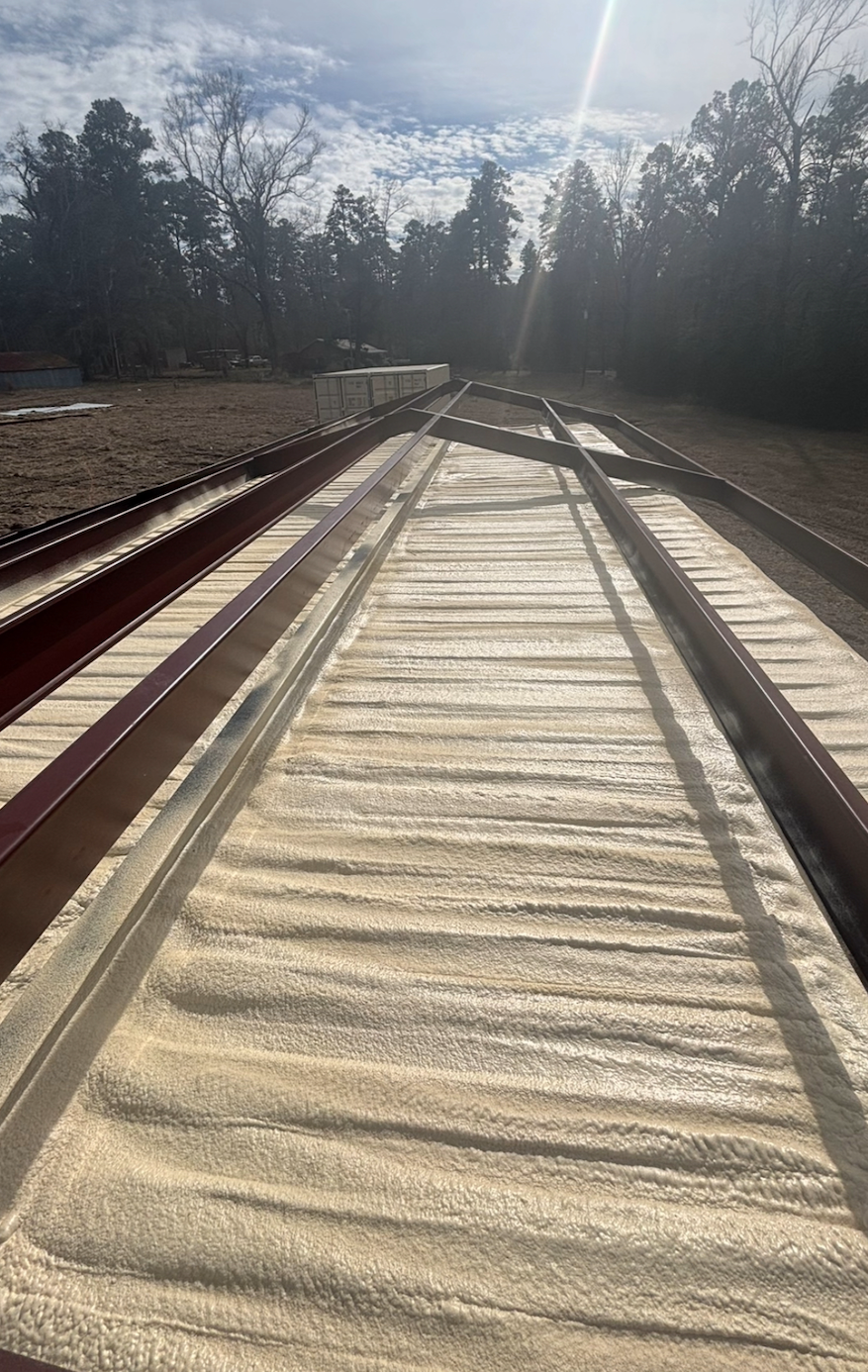
Pricing depends on the size of the area, type of insulation, and how contaminated or difficult the removal will be. However, the cost of removal is a worthwhile investment—especially when replacing with high-performance spray foam or starting a remodel.
We provide free estimates and walk you through every step so there are no surprises.
FAQs – Loose Fill Insulation Removal
Q: How do I know if I need insulation removed?
If your insulation is over 20 years old, smells musty, has visible staining, or you’ve had rodents or leaks—it’s a good idea to have it inspected.
Q: How long does removal take?
Most attic removals can be completed in 4–8 hours. Larger or more complex jobs may take a full day.
Q: Will there be a mess?
Not at all. We use powerful vacuum systems with HEPA filters to ensure dust and debris stay contained. We also protect your floors and walls during the process.
Q: Can I stay in the house during removal?
Yes—in most cases. Our equipment is low-impact, and we isolate the work area. For sensitive individuals or major contamination, temporary relocation might be recommended.
Q: What happens after removal?
We can proceed with insulation replacement right away or schedule it at your convenience. We’ll also advise if any repairs (like air sealing or roof fixes) should be done before re-insulating.
Q: What kinds of insulation do you remove?
We remove blown-in cellulose, fiberglass, vermiculite (non-asbestos only), and mixed materials.
Q: Do you check for mold or pests?
Yes—we’ll inspect for signs of mold, droppings, nests, and moisture. If there are issues, we’ll advise on cleanup or recommend specialists.
Services
Hours
Monday – Friday: 9 AM – 5 PM
Saturday: Appointment Only
Sunday: Closed
© 2025 C&C Insulation LLC. All rights reserved.
 insulationcc.com