OPEN CELL SPRAY FOAM INSULATION
Looking for an affordable, high-performance insulation that delivers comfort, air sealing, and sound control? Open cell spray foam is a lightweight, flexible option that expands to fill every crack and gap—perfect for attics, walls, and other hard-to-reach spaces. Whether you’re insulating a new home or upgrading an older property, open cell foam offers a powerful mix of energy efficiency and value.
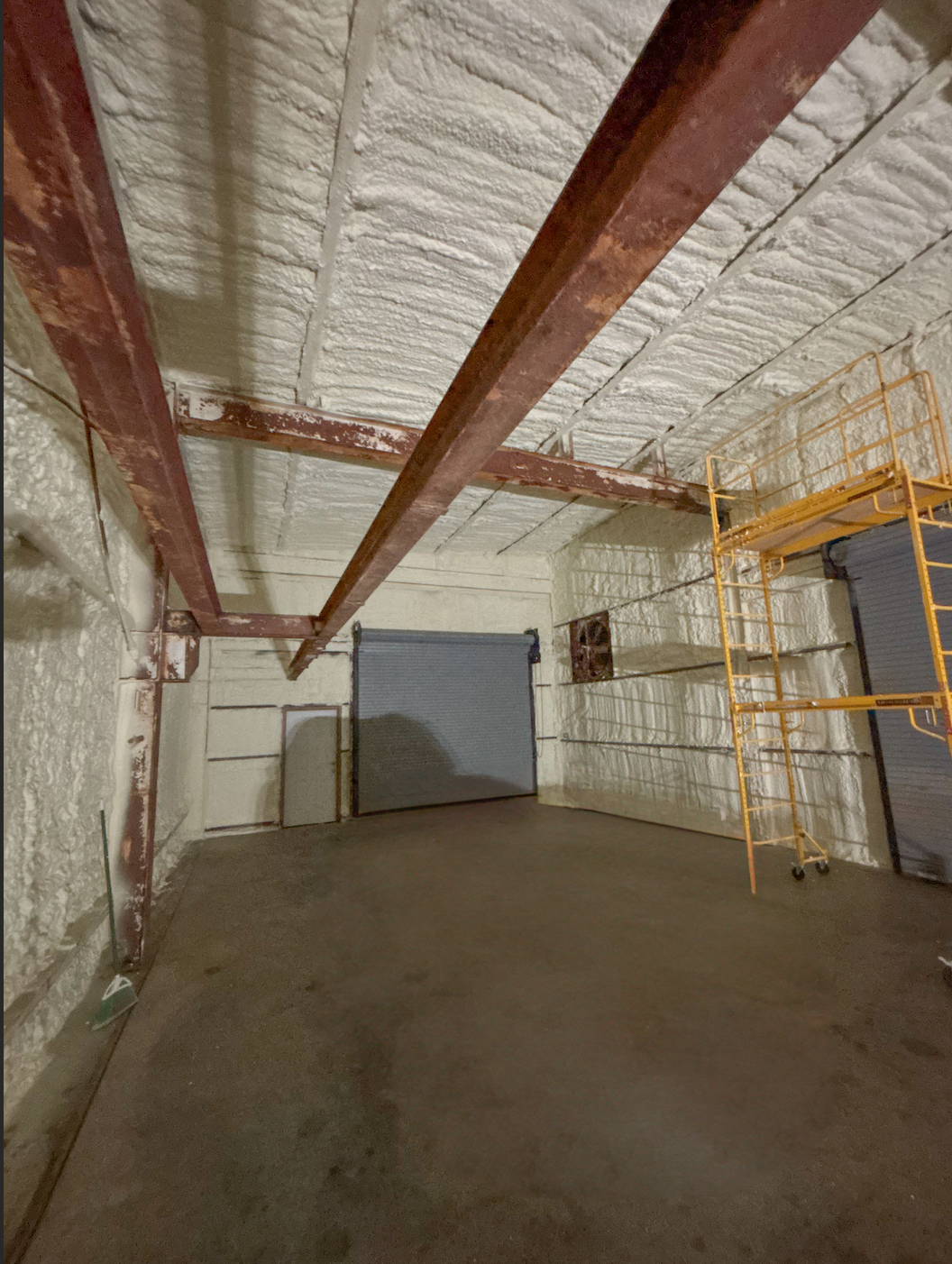
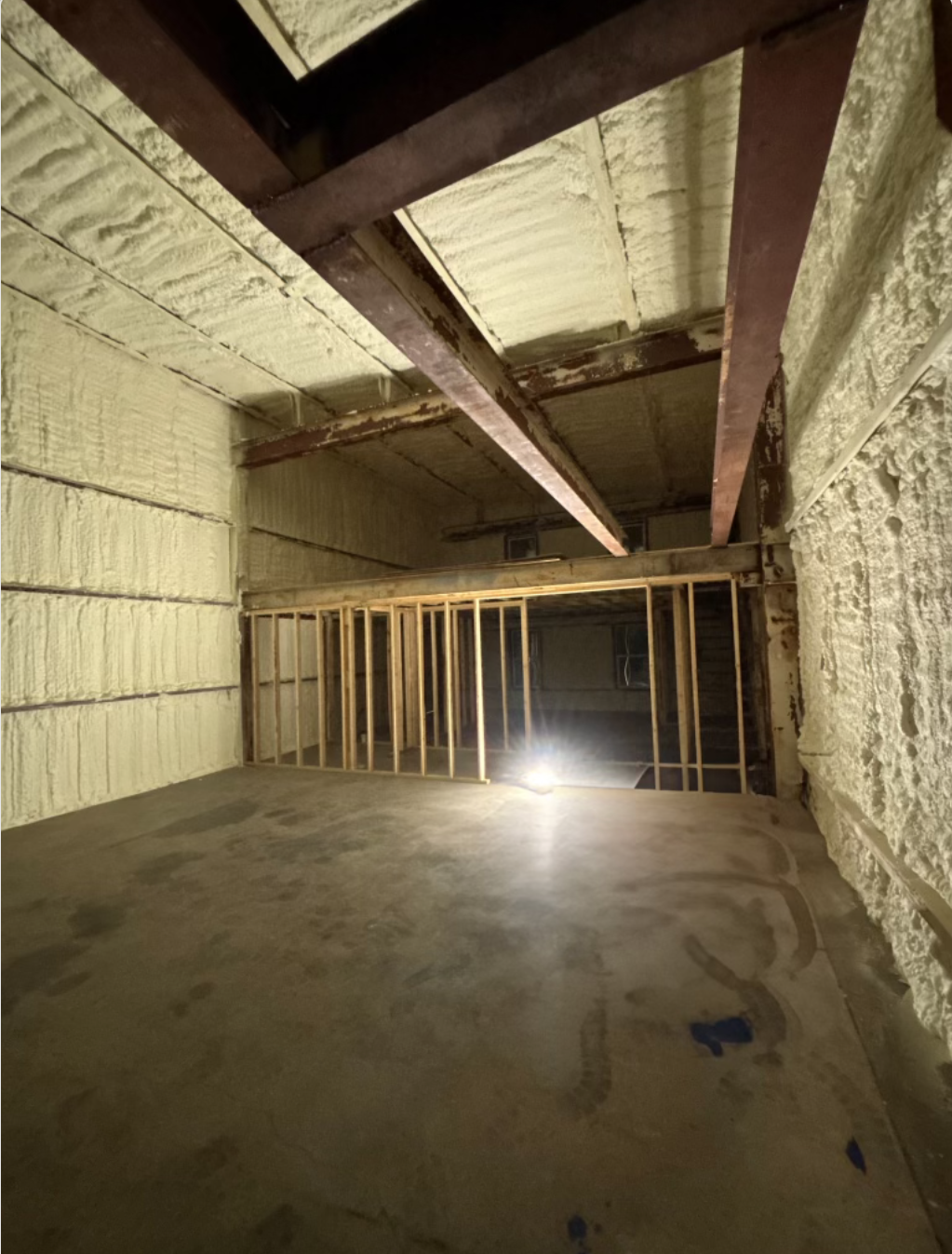
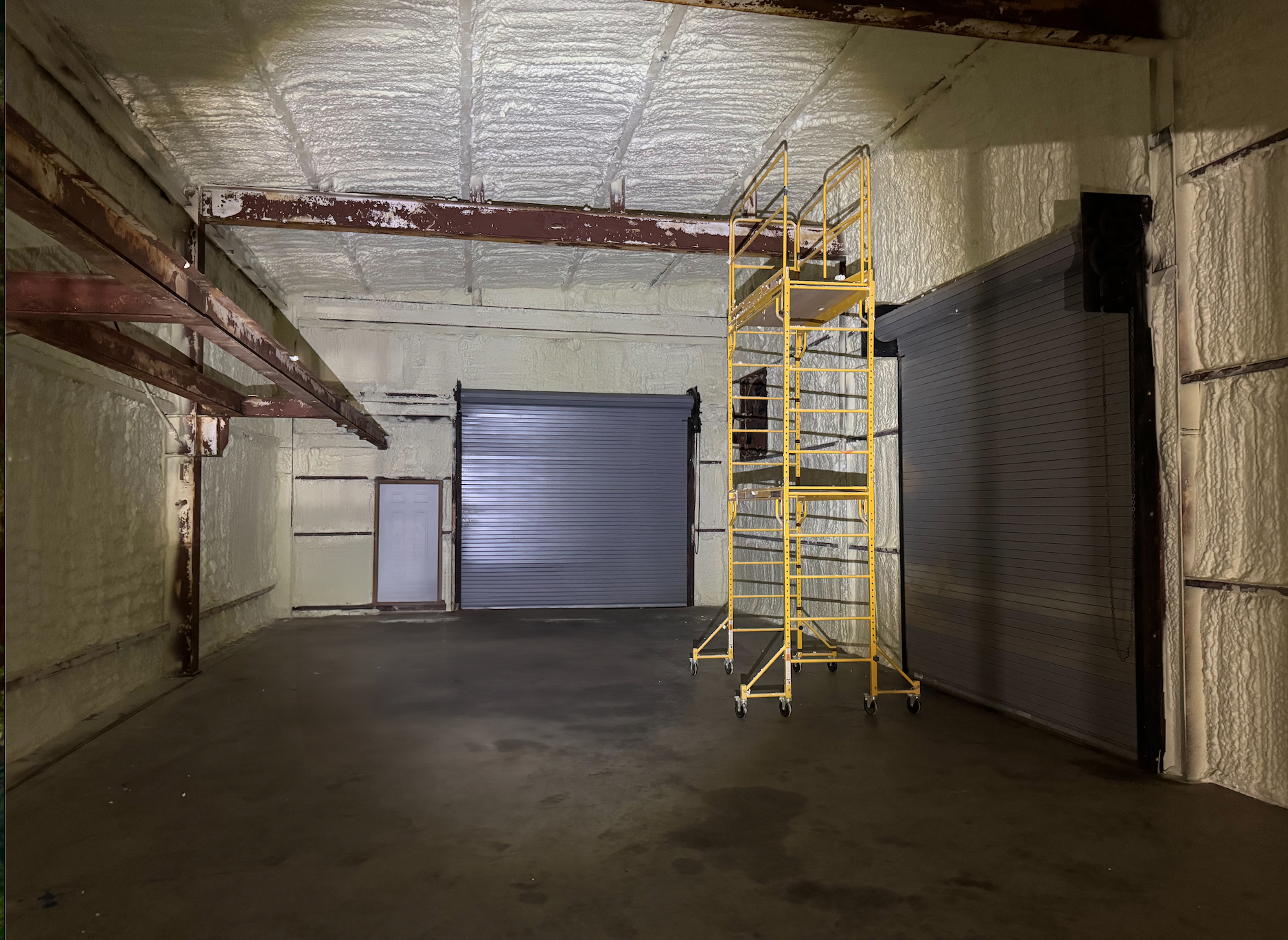
Why Choose Open Cell Insulation?
Open cell spray foam is ideal for interior applications where breathability, flexibility, and cost-efficiency are priorities. Here’s what makes it stand out:
- Superior Sound Dampening
Its soft, spongy texture absorbs sound, making it great for interior walls, media rooms, or multi-family buildings. - Affordable Performance
It’s a more budget-friendly option than closed cell foam while still delivering strong R-value performance (around R-3.5 to R-4 per inch). - Flexible & Lightweight
Great for irregular spaces, curved walls, or places with limited framing depth. - Breathability
Unlike closed cell, open cell allows moisture vapor to pass through, which can be beneficial in certain building assemblies to prevent trapped moisture.
How It Works
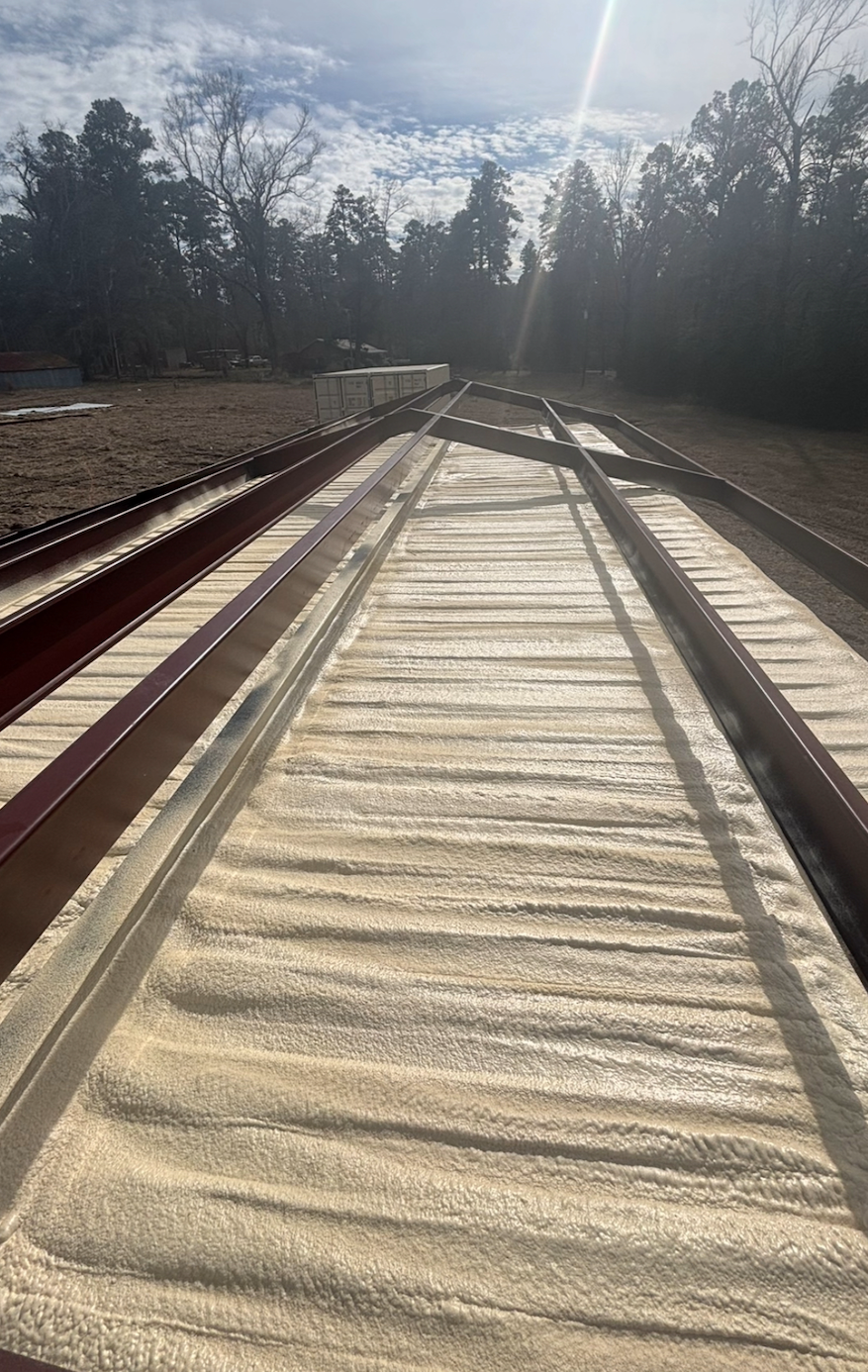
Open cell foam is applied two part polyurethane chemical that expands into a soft, low-density foam. It fills gaps, voids, and cracks with ease, creating an airtight seal. Though it’s more porous than closed cell foam, its expansion properties make it incredibly effective at reducing air leakage and improving indoor comfort.
Where to Use Open Cell Insulation
- Attics and roof decks
- Between floor joists
- Cathedral ceilings
- Hard-to-reach framing cavities
Cost Considerations
Open cell spray foam typically costs less than closed cell foam per square foot, making it a popular choice for homeowners looking to insulate large areas like attics or wall systems. While the R-value per inch is lower, the air-sealing properties often make up the difference—especially in temperate climates.
Is Open Cell Foam Right for You?
Open cell spray foam is ideal for:
- Homeowners seeking cost-effective insulation upgrades
- Projects where soundproofing is a priority
- Interior applications without high moisture exposure
- Retrofits or new builds where full cavity expansion is needed
FAQs – Open Cell Spray Foam Insulation
Q: How do I prepare for installation?
Just like with closed cell, we recommend clearing the area of personal belongings and ensuring access to the space. We’ll handle surface protection and cleanup, but pets and children should be kept away during application and curing. Substrate surfaces need to be dry and free of any dust, flaking, loose scale, frost or ice to ensure appropriate adhesion. Also, all metal surfaces must be free of grease, oils, etc.
Q: How long does it take to install and cure?
Most installations are completed within a few hours to a full day. Curing typically takes 24 hours, during which time the space should be well ventilated and avoided.
Q: Can I stay in the house during installation?
We recommend vacating the home or the immediate area during installation and for several hours afterward while the foam cures and off-gasses.
Q: What happens if it gets wet?
Unlike closed cell, open cell foam can absorb moisture. It doesn’t support mold growth, but prolonged exposure to water can reduce performance. It’s best used in dry areas or paired with proper vapor barriers when needed.
Q: Does open cell provide soundproofing?
Yes—open cell foam is excellent for reducing airborne sound, making it a popular choice for interior partitions, ceilings, and shared walls.
Q: Is it eco-friendly?
Many open cell foams today use water-based or low-emission blowing agents and contain renewable or recycled materials, making them a more sustainable option.
Q: Can it be painted or left exposed?
In attics or crawl spaces, open cell foam can often remain exposed—but in living areas, it must typically be covered with a thermal barrier (like drywall or intumescent paint) to meet fire codes.
Q: How thick should open cell foam be applied?
Standard thickness is usually 3.5″ in walls and 5.5″ to 6″ in attics or ceilings, depending on the desired R-value and building code requirements.
Q: Does it expand a lot?
Yes—open cell foam expands rapidly to fill large voids, which is great for older buildings or complex framing.
Q: Does it require maintenance?
Open cell foam is long-lasting and doesn’t settle, sag, or degrade under normal conditions. No maintenance is required, but periodic inspections are a good idea if you’ve had water leaks or structural changes.
Services
Hours
Monday – Friday: 9 AM – 5 PM
Saturday: Appointment Only
Sunday: Closed
© 2025 C&C Insulation LLC. All rights reserved.
 insulationcc.com